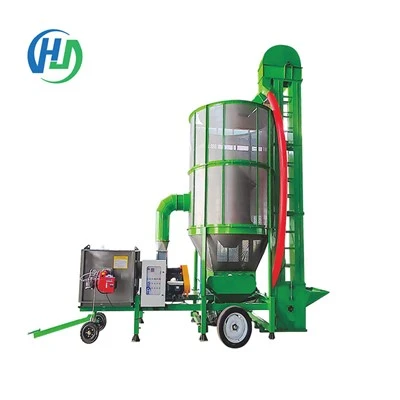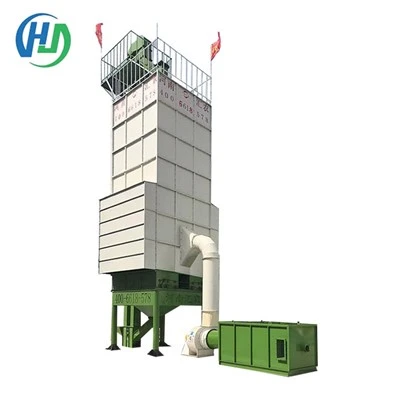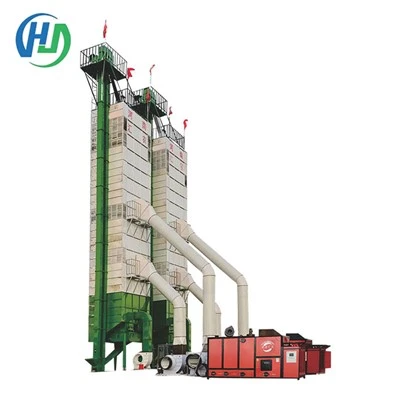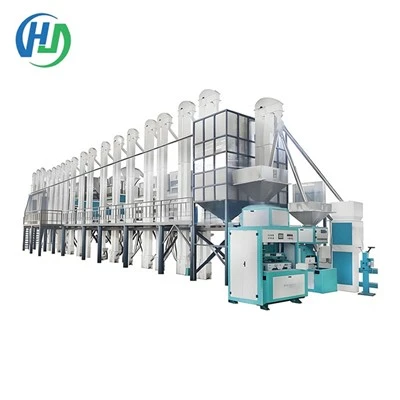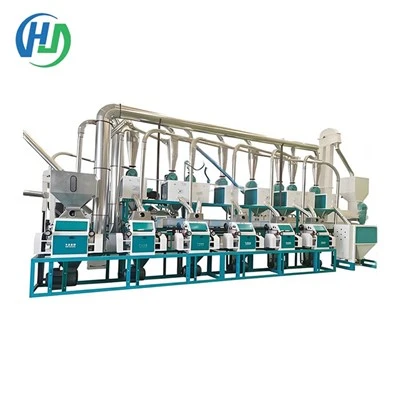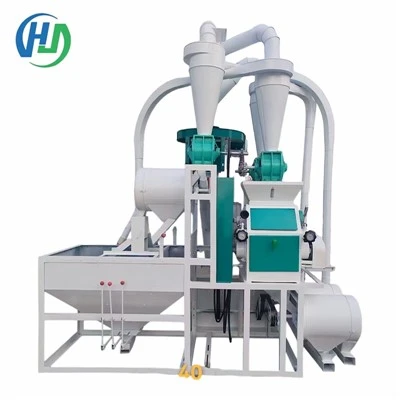
The fundamental principle of a grain processing line lies in a mechanized, continuous process that transforms raw grain-through stages such as cleaning, hulling, milling, and grading-into ready-to-use finished grain products or flours. First, raw grain passes through cleaning equipment to remove impurities, dust, and damaged kernels, thereby ensuring the smooth execution of subsequent processing stages. Subsequently, hulling machinery utilizes rotating drums or blade systems to strip away the grain's outer husks; the core principle here involves employing mechanical force and friction to separate the hard shell while striving to preserve the endosperm from damage. The hulled grain then proceeds to the milling stage, where the pressure and shearing action of grinding rollers or discs crush the kernels into the desired powder consistency, with particle size control achieved through the use of sieves or grading devices.
Throughout this entire process, the grain processing line relies on transmission systems and automated control systems to coordinate the operations of each stage, thereby enabling continuous production. Material transfer between individual mechanical units is accomplished via screw conveyors, pneumatic transport, or gravity flow, ensuring that the material is subjected to uniform forces and maintains a stable flow throughout the processing journey. Furthermore, by adjusting parameters such as grinding gap, rotational speed, feed rate, and sieve mesh size, operators can flexibly control the finished product's particle size, processing efficiency, and overall quality. This underlying principle enables the grain processing line to achieve both high production yields and a high degree of product uniformity and controllability, thereby meeting the specific processing requirements of diverse grain varieties and market demands.