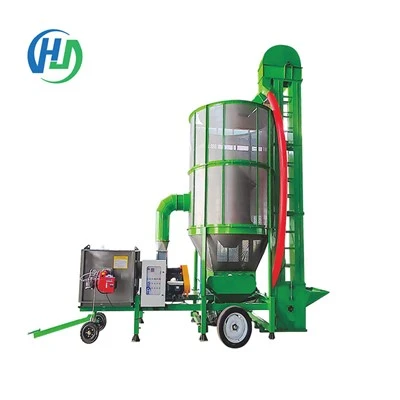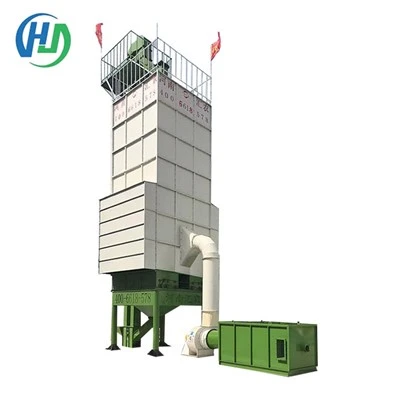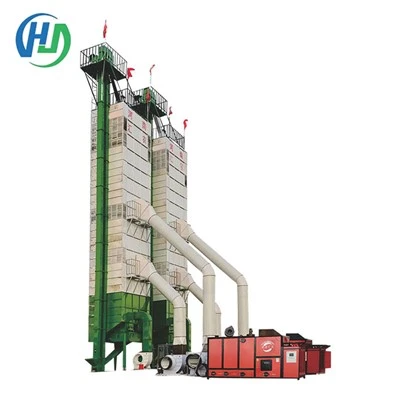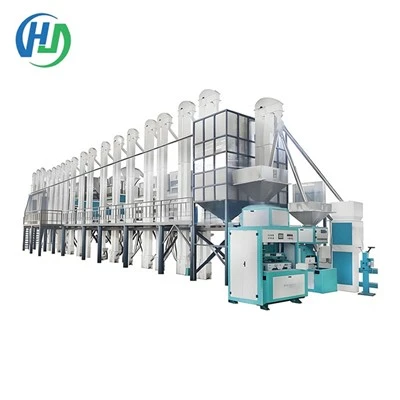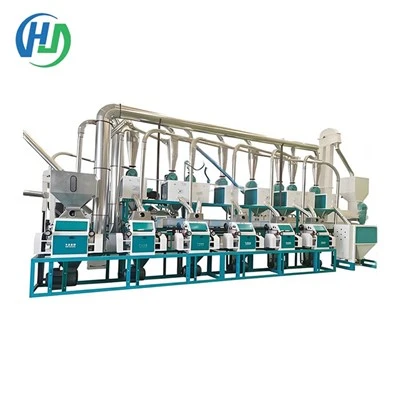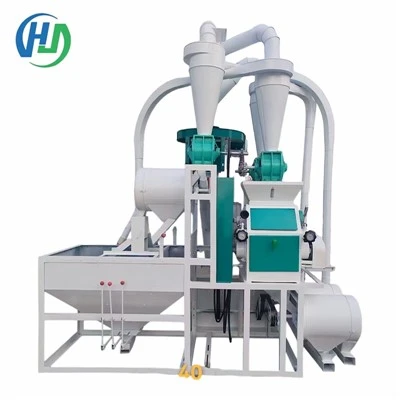
Grain processing lines are characterized by a high degree of automation and continuous operation. The entire production line-spanning stages from cleaning, hulling, and milling to grading and packaging-operates as an integrated system, thereby minimizing manual intervention and enhancing both production efficiency and processing stability. An automated control system dynamically adjusts equipment operating parameters in real time-based on factors such as raw material variety, processing volume, and desired flour fineness-to ensure seamless coordination throughout the entire workflow and uniformity in the quality of the finished products. This continuous production model not only boosts output but also reduces raw material waste, rendering the grain processing operation more efficient and economically viable.
Furthermore, grain processing lines are distinguished by their flexibility and scalability. They demonstrate high adaptability, capable of processing various types of grains-such as wheat, rice, and corn-simply by adjusting equipment parameters or swapping out specific components. Modern processing lines also prioritize eco-friendly and energy-efficient designs; for instance, they are equipped with dust removal systems, pneumatic conveying systems, and energy recovery devices to minimize dust emissions and reduce energy consumption. The overall layout of the processing line is scientifically sound and space-efficient, facilitating ease of operation and maintenance. Moreover, the design allows for convenient future expansion-whether to increase production capacity or to integrate new processing stages-thereby realizing a modern grain processing paradigm that is highly efficient, environmentally sustainable, and intelligent.