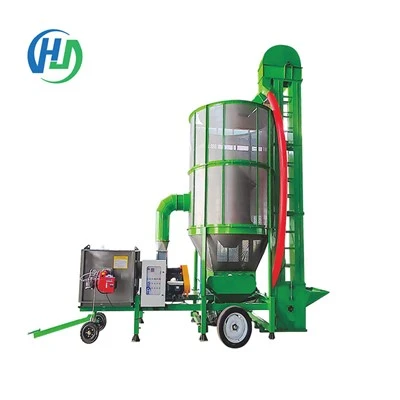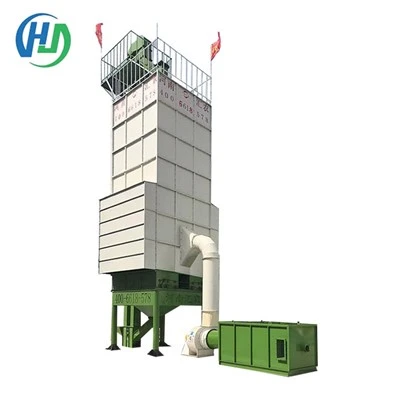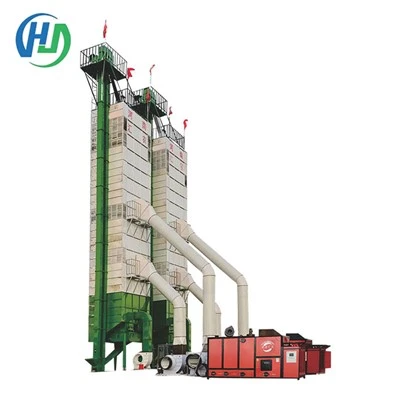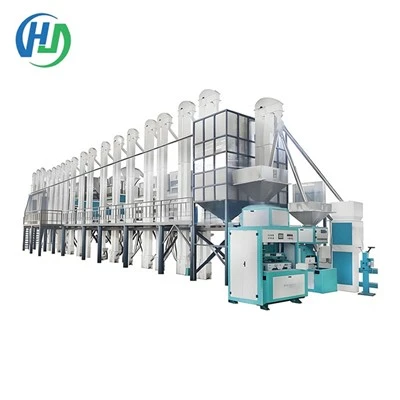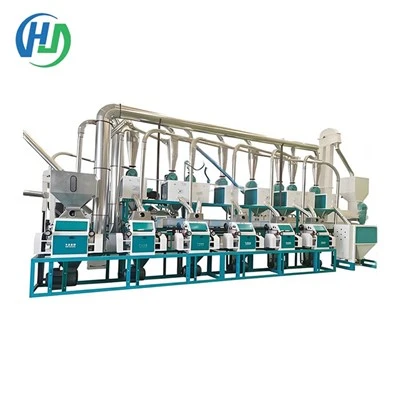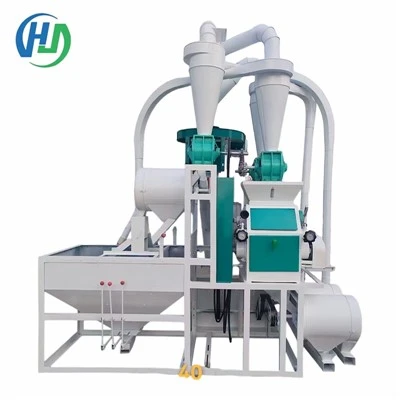
Husking machinery constitutes an indispensable component of grain processing equipment; its core components primarily include a rotating drum, a cutter system, a feeding mechanism, and a drive system. The rotating drum is typically fabricated from high-strength steel and fitted internally with multiple rows of blades or husking teeth, designed to uniformly strip the outer husks from grain kernels during high-speed rotation. The design of the cutter system directly impacts both husking efficiency and the rate of grain breakage; consequently, it requires precise calibration based on the specific hardness and size characteristics of different grain varieties. Furthermore, the feeding mechanism ensures continuous processing by uniformly conveying grain kernels into the rotating drum, while the drive system guarantees stable machine operation-even under fluctuating loads-typically comprising an electric motor, a speed reducer, and a transmission chain or belt assembly that coordinates the operation of all components to achieve high-efficiency husking.
Milling machinery, conversely, aims to pulverize grains into a powdery or semi-powdery state; its core components principally consist of grinding rollers or discs, sieves, and adjustment mechanisms. The grinding rollers or discs serve as the critical elements of the milling machinery; typically manufactured from high-hardness alloys or wear-resistant steel, they are capable of withstanding prolonged friction and impact, thereby ensuring uniform pulverization and controllable particle size. The sieves and discharge mechanisms are responsible for classification, sorting the processed powder according to particle size to prevent the presence of excessively fine or coarse particles that could compromise subsequent processing stages. Finally, the adjustment mechanisms are utilized to control the grinding gap-thereby regulating the fineness of the resulting powder-while simultaneously employing pressure or gap adjustments to ensure smooth machine operation, minimize vibration and energy consumption, and enhance overall production efficiency and processing quality.