Modern Rice Milling Plants Focus on Automation, Processing Efficiency, and Rice Quality
The rice processing industry continues to place greater emphasis on product consistency, operational efficiency, and effective quality control. As rice mills serve different markets and product segments, equipment selection and production line design have become important considerations for both new projects and existing processing facilities.
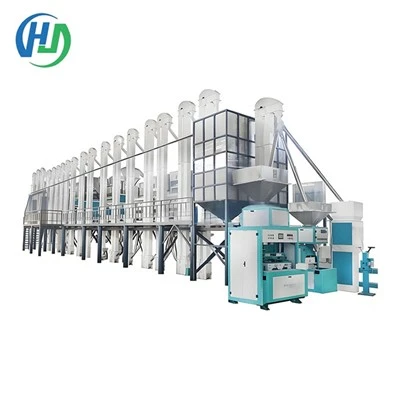
The Rice Milling Machine remains at the center of this development. From husking and whitening to polishing, grading, and color sorting, each processing stage contributes to the quality and commercial value of the finished rice.
Growing Demand for Consistent Rice Quality
Rice processors need to manage variations in paddy quality, grain moisture, variety, and incoming impurities. These factors can influence milling performance, grain breakage, and the appearance of the finished product.
For this reason, modern rice mills increasingly focus on coordinating the entire processing flow instead of relying on a single machine.
Appropriate cleaning, husking, separation, and milling operations help establish a stable foundation for subsequent processing. Properly adjusted equipment can also help reduce unnecessary grain damage and maintain more consistent output quality.
Automation Becomes an Important Part of Rice Processing
Automation is an important consideration when designing a modern rice milling plant.
Depending on the scale of the project, an automated production line may incorporate bucket elevators, conveyors, feeding systems, level sensors, electrical control panels, and other auxiliary equipment.
These systems help coordinate material transfer between machines and reduce the need for manual handling at different processing stages.
For larger rice processing facilities, integrated control systems can make production management more convenient. However, the appropriate automation level should be selected according to the plant's actual capacity, staffing, investment budget, and operating requirements.
Improving Milling Performance Through Better Process Design
Rice milling involves several interconnected processes. Poor coordination between machines can create bottlenecks, unstable feeding, or unnecessary recirculation of material.
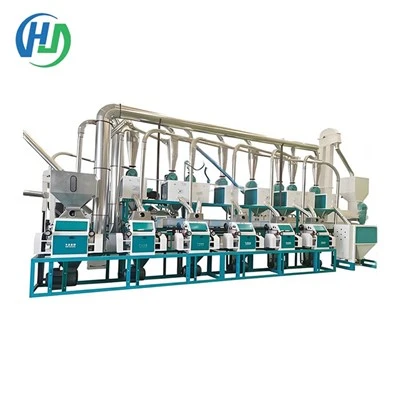
A typical commercial rice milling line includes:
Paddy Cleaning → Destoning → Husking → Paddy Separation → Rice Milling → Rice Polishing → Rice Grading → Color Sorting → Packaging
Not every rice mill requires exactly the same configuration. Smaller facilities may combine some functions, while larger plants may use separate machines for better process control.
When designing a production line, engineers need to consider the capacity of each machine, the characteristics of the raw paddy, the desired degree of milling, and the required quality of the finished rice.
A well-designed process helps equipment operate together more smoothly and supports stable production.