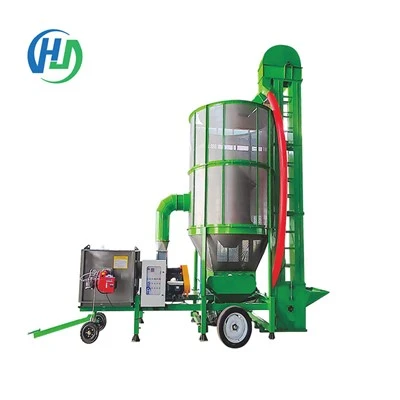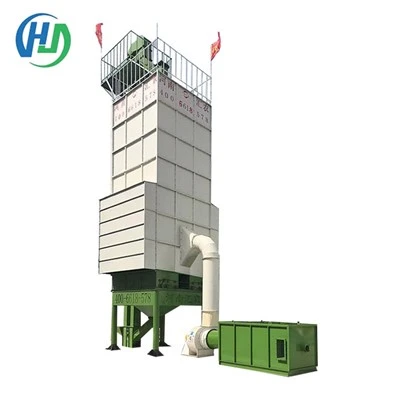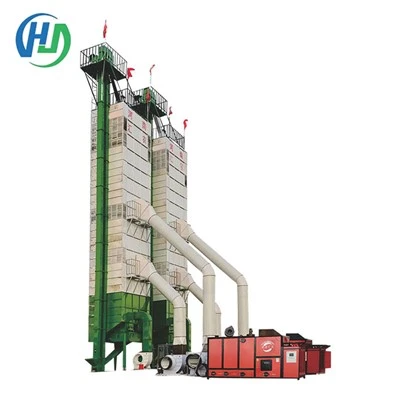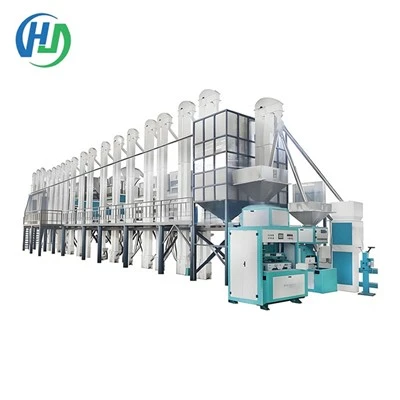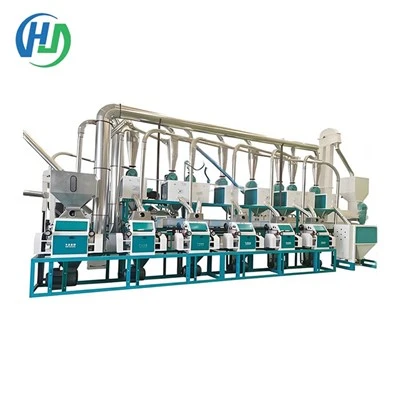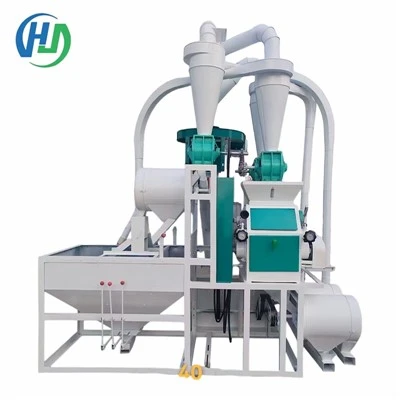
Prior to cleaning a grain processing line, the equipment power supply must be switched off and the conveying system disconnected to ensure operational safety. For key components-such as hoppers, conveyor belts, crushers, and sieving machines-brushes or scrapers should first be used to remove residual grain particles and dust from the surfaces, followed by wiping the equipment surfaces with warm water or a mild detergent. For components that are difficult to dismantle, high-pressure air guns or steam cleaning equipment may be employed to remove deeply embedded dust and grease. During the cleaning process, attention must be paid to the material composition of each component; tools and chemical agents that could cause corrosion or abrasion should be avoided. Furthermore, it is essential to ensure that all cleaning agents are thoroughly rinsed away to prevent residues from compromising the safety and quality of subsequent grain processing.
Regular deep cleaning should be performed on the processing line's discharge ports, pipelines, and storage containers. The interiors of pipelines are prone to the accumulation of dust and fine particles; if not cleaned promptly, this can lead to mold growth or pest infestation. When cleaning these areas, detachable components should first be removed so that the interiors can be scrubbed with a soft-bristled brush, followed by rinsing with warm water. If necessary, a food-grade disinfectant should be applied to sanitize the components.
Upon completion of the cleaning process, all components must be thoroughly dried. Additionally, conveyor belts, chains, and seals should be inspected to ensure they are in good condition, with maintenance or replacement performed as needed. The entire cleaning procedure should be established as a standardized operational protocol, and detailed cleaning records must be maintained. This ensures that the processing line remains in a safe and hygienic state prior to every production run, thereby safeguarding both grain processing quality and food safety.