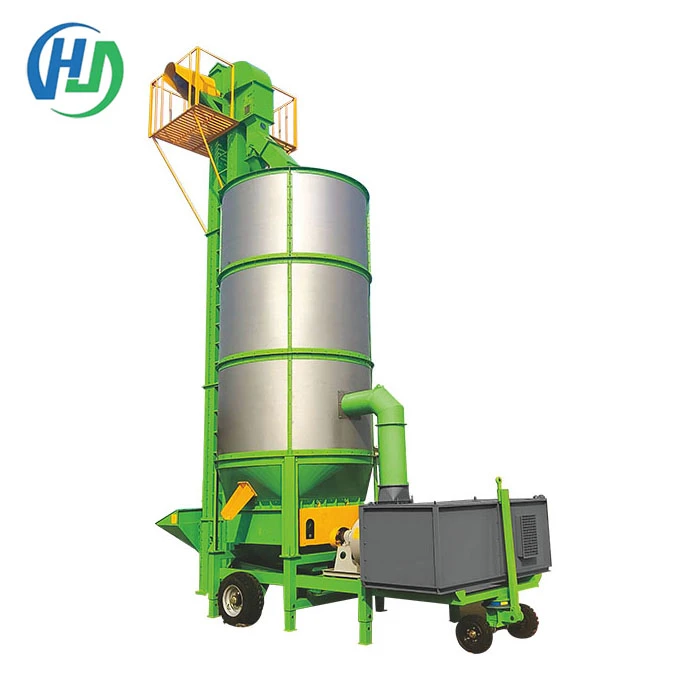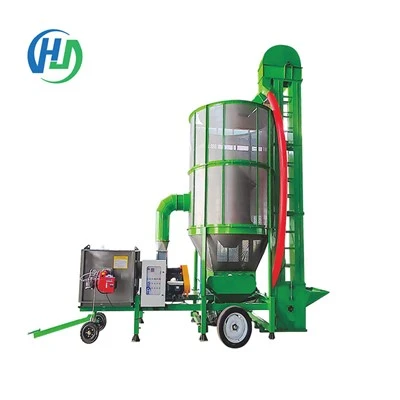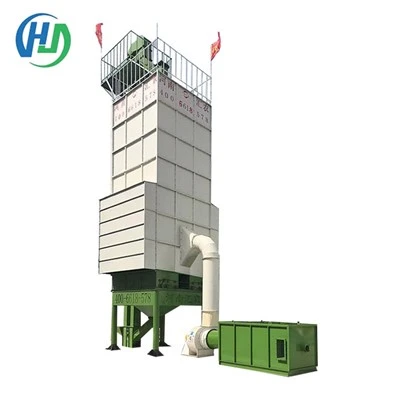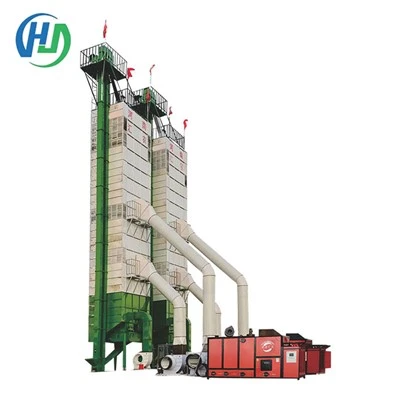
The early development of drying machinery was driven by the ever-evolving demand for the preservation of agricultural products. In the initial stages, people relied primarily on natural sun-drying to reduce the moisture content of grains, fruits, vegetables, and meats, achieving simple dehydration through the power of sunlight and wind. While this method was low-cost, it was highly susceptible to weather conditions and suffered from inconsistent efficiency, making it difficult to meet the requirements for large-scale storage and long-term preservation. As the scale of agricultural production expanded and the commercialization of grain increased, equipment capable of artificially controlling drying conditions gradually emerged. Early drying rooms and earthen kiln-style drying devices can be regarded as the prototypes of modern drying machinery; they functioned by using a heat source to warm the air, then utilizing natural convection or simple air ducts to facilitate the drying of materials.
Drying technology gradually evolved toward mechanization and specialization. From the late 19th century to the early 20th century-driven by advancements in steam power, electrical systems, and metalworking techniques-the first generation of industrial drying equipment began to be widely adopted across the food, textile, and chemical industries. Equipment such as drum dryers and cabinet dryers, for instance, gradually matured during this period. Drying machinery of this era began to acquire continuous production capabilities and offered preliminary control over temperature and airflow, thereby enhancing drying efficiency and product stability. Particularly in the field of grain processing, grain drying equipment evolved from simple drying setups into specialized grain dryers, laying the foundation for modern grain storage facilities and agricultural mechanization.
Drying machinery continues to undergo upgrades in terms of automation, energy efficiency, and intelligence. With the advancement of electronic control systems, sensor technology, and thermal energy recovery techniques, modern drying equipment is now capable of automatically regulating temperature, humidity, and airflow, and can be centrally managed via PLC or computer systems. Concurrently, new energy-saving technologies-such as heat pump drying, waste heat recovery, and low-temperature circulating drying-are being increasingly promoted, enabling equipment to significantly reduce energy consumption while simultaneously improving drying quality. Today, drying machinery has become indispensable equipment across the agricultural, food, chemical, and environmental protection sectors; furthermore, its development continues to evolve in tandem with advancements in intelligent manufacturing and green energy technologies.