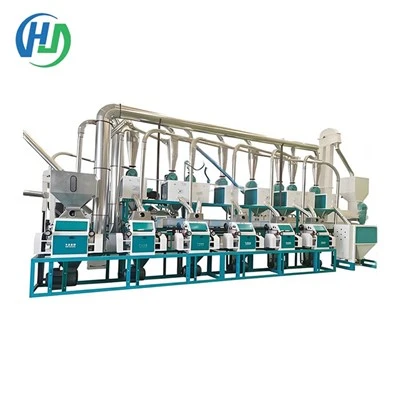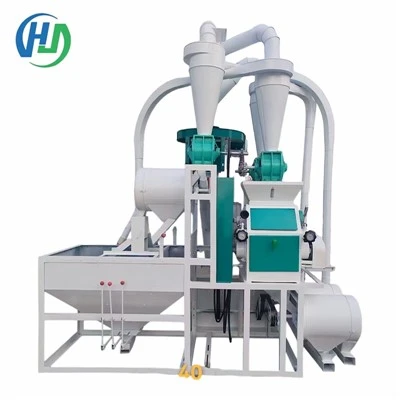
Regarding industry standards, cleaning and peeling equipment must comply with relevant hygiene standards and safety regulations. The materials used for the equipment should be non-toxic and corrosion-resistant to ensure that any components coming into contact with food ingredients do not cause contamination. Furthermore, the structural design of the equipment should be rational, facilitating easy cleaning and maintenance to prevent bacterial proliferation and cross-contamination. Additionally, the equipment's performance parameters-such as cleaning capacity and peeling efficiency-must meet specific benchmarks to satisfy actual production requirements.
Industry standards for cleaning and peeling equipment primarily address hygiene, safety, and operational protocols, aiming to guarantee the reliability and production quality of such machinery within the food, pharmaceutical, and related processing sectors. First, concerning hygiene standards, equipment materials are typically required to be Grade 304 or 316 stainless steel, subjected to polishing treatments to ensure smooth, easy-to-clean surfaces that prevent residue accumulation and bacterial growth. Equipment design and cleaning procedures must adhere to national or international food safety standards-such as China's *General Technical Conditions for Food Machinery* (GB/T 19699-2019) and the European Hygienic Engineering & Design Group (EHEDG) guidelines. These standards establish explicit requirements regarding equipment structure, the number of detachable components, drainage design, the minimization of "dead zones" (hard-to-reach areas), and cleaning operations, thereby ensuring a hygienic production environment and high product quality.
Second, regarding safety and operational protocols, industry standards mandate that cleaning procedures be conducted only after the equipment has been shut down or disconnected from power sources. Furthermore, the equipment must be fitted with protective guards, non-slip operating surfaces, and residue collection facilities to safeguard the safety of operating personnel. Additionally, these standards stipulate requirements for cleaning cycles and verification methods; for instance, routine cleaning is typically required at the end of each production day, while critical components undergo deep cleaning once a week, with cleaning efficacy verified through visual inspection or specialized cleanliness sensors. For high-risk sectors-such as pharmaceuticals or fine chemicals-compliance with Good Manufacturing Practice (GMP) guidelines is also mandatory, ensuring that equipment cleaning is not only thorough but also meets the stringent requirements for preventing cross-contamination between production batches. Overall, these industry standards provide systematic and actionable guidance for cleaning and peeling equipment, enabling the machinery to operate with high efficiency while simultaneously upholding standards of hygiene, safety, and product quality.