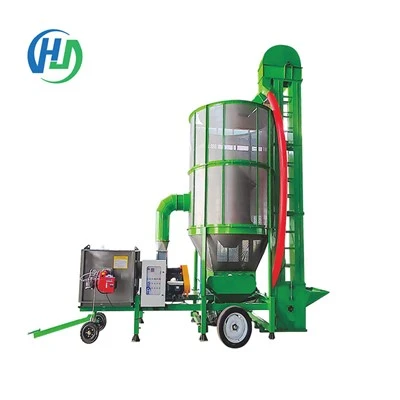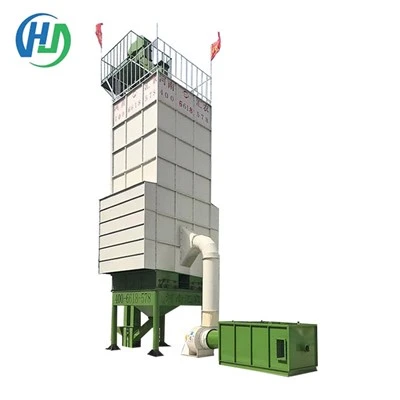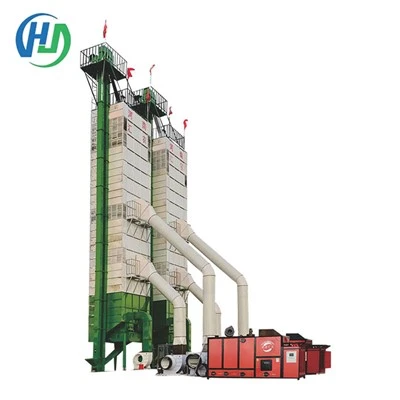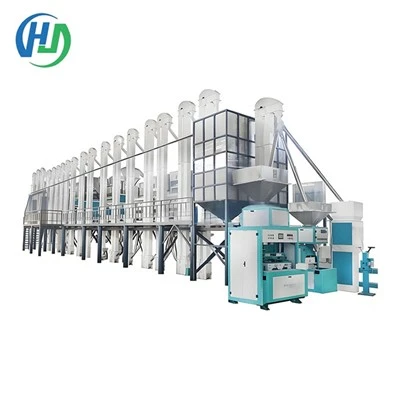
Grain Dryer Hot Air Furnace: Providing a Stable Heat Source for Efficient Grain Drying
With the continuous development of the grain processing and storage industry, grain drying systems are facing higher requirements for heat source stability, thermal efficiency, and operating costs. As an important auxiliary equipment for grain dryers, the hot air furnace provides a continuous and stable source of hot air, which plays an important role in drying efficiency and grain quality.
What Is a Grain Dryer Hot Air Furnace?
A grain dryer hot air furnace is a heating system specially designed to provide a heat source for grain drying equipment. It generates heat by burning fuel and then supplies hot air that meets the requirements of the drying process to the grain dryer.
Depending on the local fuel supply and project requirements, hot air furnaces can use different types of fuel, including coal, biomass pellets, firewood, natural gas, and diesel. The appropriate hot air furnace structure and configuration should be selected according to the local energy costs, fuel availability, and required drying capacity.
The Role of a Hot Air Furnace in Grain Drying
In a complete grain drying system, the hot air furnace is usually used together with a grain dryer, bucket elevators, conveyors, fans, dust collection systems, and other equipment.
Its main functions include:
1. Providing a Stable Heat Source
Grain drying requires a continuous and stable supply of heat. If the heat source fluctuates significantly, the grain may not be dried evenly. Therefore, a stable hot air supply is essential for achieving consistent drying results.
2. Improving Drying Efficiency
Properly matching the heating capacity of the hot air furnace with the processing capacity of the grain dryer allows heat to be used more efficiently. This can improve moisture evaporation efficiency and reduce drying time.
3. Helping Maintain Grain Quality
Different grains have different drying temperature requirements. For example, wheat, corn, and rice need appropriate hot air temperatures depending on their initial moisture content and target moisture level.
A stable heat source helps reduce problems such as overheating and uneven drying, thereby contributing to better final grain quality.
4. Adapting to Different Fuel Conditions
Different countries and regions have different fuel resources and energy costs. A suitable hot air furnace can be selected according to the locally available fuel, helping customers reduce operating costs while maintaining stable drying performance.