Rice Milling Machine: Working Principle & Processing Steps
Rice is one of the world's most important staple foods, and rice milling plays a vital role in converting harvested paddy into market-ready rice. For rice processors, choosing the right rice milling machine is essential for improving processing efficiency, maintaining rice quality, and reducing unnecessary grain breakage.
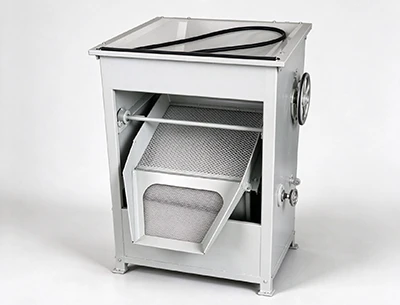
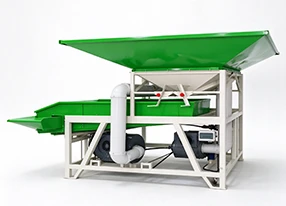
A Rice Milling Machine is designed to remove the husk and bran layers from paddy through a series of mechanical processing steps. Depending on the production requirements, rice milling equipment can be used as a standalone machine or integrated into a complete rice milling production line.
What Is a Rice Milling Machine?
A rice milling machine is a key piece of equipment used in rice processing plants. Its main function is to process brown rice into white rice by removing the bran layers while maintaining the integrity of the rice kernels as much as possible.
Different types of rice milling machines use different working principles, including abrasive milling, friction milling, and combined milling technologies.
In modern rice processing plants, the milling machine usually works together with rice huskers, paddy separators, rice polishers, rice graders, color sorters, and packaging machines to form a complete production system.
How Does a Rice Milling Machine Work?
The rice milling process involves several stages, each designed to improve the quality and consistency of the finished product.
Step 1: Paddy Cleaning
Before milling, raw paddy passes through cleaning equipment to remove dust, straw, stones, and other impurities. Effective cleaning helps protect downstream equipment and maintain stable operation.
Step 2: Rice Husking
The cleaned paddy enters a rice husker, where the outer husk is removed. Rubber roller huskers are commonly used in modern rice milling plants because they provide an effective method of separating the husk from the grain.
Step 3: Paddy Separation
After husking, the material contains brown rice and some unhusked paddy. A paddy separator separates these materials, allowing unhusked paddy to return to the husker for further processing.
Step 4: Rice Milling and Whitening
Brown rice enters the rice milling machine, where the bran layers are removed through controlled abrasion or friction. The objective is to achieve the required degree of whiteness while minimizing broken rice.
Step 5: Rice Polishing and Grading
Depending on the required product quality, the milled rice may pass through a rice polisher to improve surface smoothness and appearance. A grading machine then separates rice according to grain size and other specified characteristics.
Step 6: Color Sorting and Packaging
A color sorter can remove discolored and visually defective grains. The finished rice is then weighed and packaged according to the customer's requirements.
The exact processing flow depends on the rice variety, raw material quality, target product grade, and production capacity.